
Data Center Security Gates
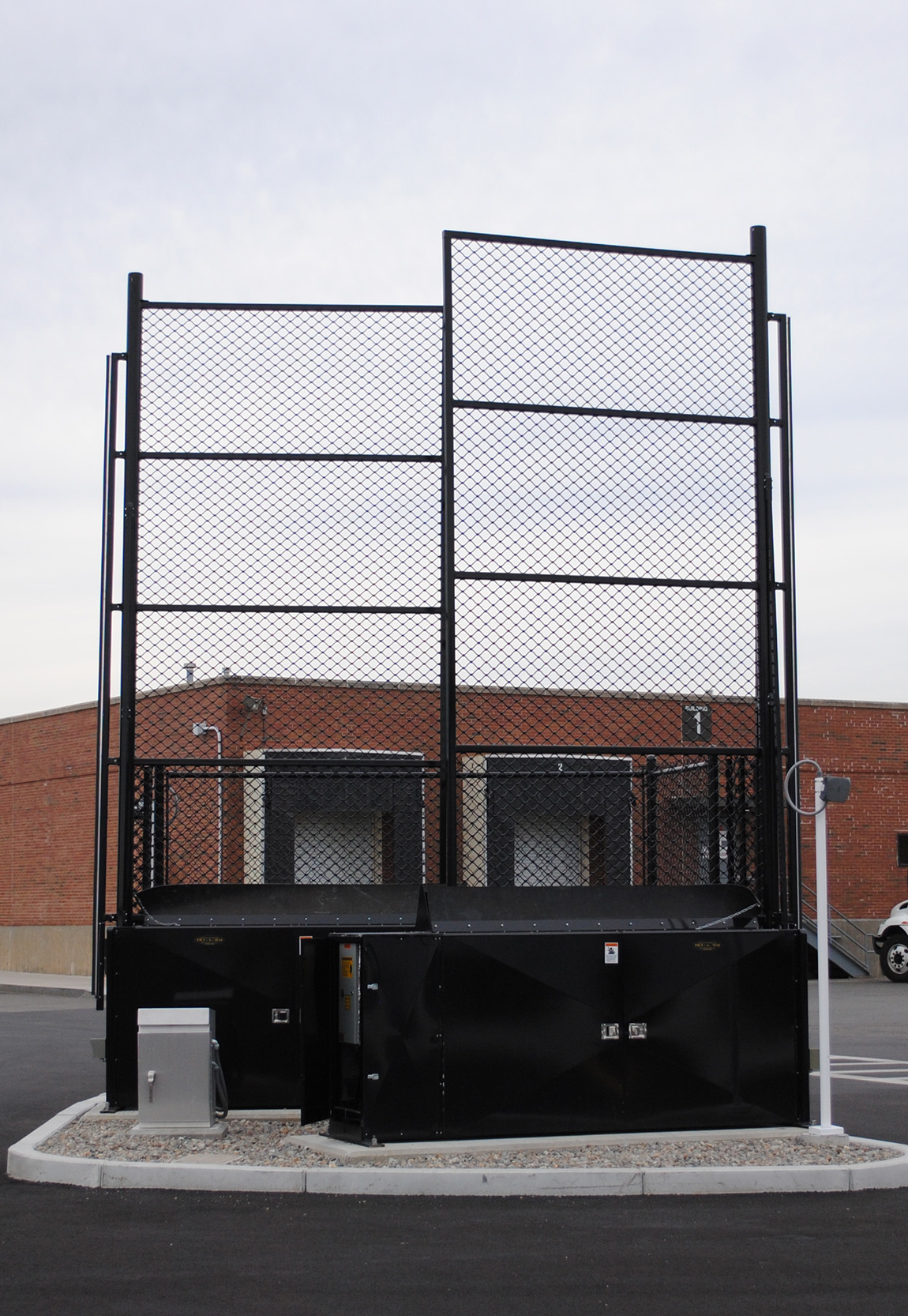
Vertical Pivot Gates Built for Reliable Perimeter Access Control
Protect critical infrastructure with a high security perimeter gate engineered for controlled access, access control integration, and the reliability data centers require… because your perimeter can’t be a point of failure.
Reliability-first operation, designed for mission-critical sites that can't afford downtime
Controlled vehicle access for authorized personnel, vendors, and service contractors
Built for secured perimeters and long-term high-cycle performance
Data centers need perimeter security that doesn’t slow operations
or create risk.
A data center is only as secure as its perimeter. Vertical pivot gates deliver the controlled access, reliability, and uptime that critical infrastructure requires, without the downtime or maintenance issues that plague slide and swing gate installations.
Which Gate Type Fits Data Center Perimeter Security?
For data centers, the decision often comes down to reliability, security, controlled access, and how cleanly the gate integrates into your access control workflow. This is where vertical pivot gates excel.
Reliability
Access Control Fit
FootPrint
Vertical Pivot
Built for consistent controlled entry operation
Strong fit for access control gate applications
Efficient footprint
Swing
Can work, but may be limited by clearance/site constraints
Workable depending on layout
Workable depending on layout/run space
Slide
Can work, but requires run space and may introduce operational constraints
Workable depending on layout/run space
Needs long run space
Why Tilt-A-Way Works for Data Centers
We offer the option to customize your gate with a range of features and specifications to meet your specific needs. Our team of skilled engineers and designers will work to create a gate that not only provides the highest level of functionality, but also enhances the aesthetic appeal of your property.
Reliability-first design
Built for sites that can’t afford a gate going down
Access control integration
Works with keypads, card readers, RFID, and centralized security systems
High security perimeter construction
Heavy-duty build for protected sites
UL325 listed safety
Compliant with national safety standards for automated gate operators
Configurable dimensions
Sized to match your perimeter fencing and site layout
Designed for contractor-led installs
Works cleanly with fence or general contractors and site engineers
Common Data Center Security Gate Applications
Every vehicle access point on a data center campus is a potential security gap. Vertical pivot gates are built for the entrances that matter most.
Vertical pivot gates can be used for:
Main data center entrances and guard-controlled access points
Perimeter vehicle entry gates and secure drive lanes
Service/vendor entrances and scheduled delivery access
Critical infrastructure zones and restricted areas on-site
Multi-tenant campus security perimeters

Taking the Questions out of Planning and Installing
Every data center project comes with its own set of specs, timelines, and compliance requirements. We work directly with the architects, engineers, and fence contractors who typically handle data center gate installations to make sure the gate fits the spec on day one.
We’ll configure your gate around:
Security design (guard post, controlled lanes, restricted entry)
Traffic patterns (vendor/service vehicles, scheduled access, shift changes)
Access control requirements (system compatibility and entry workflow)
Gate dimensions (length/height/clearance needs)
Project delivery team (architect/engineer specs, GC build, fence contractor install)
Trusted by Data Center and Enterprise Facility Teams


Frequently Asked Questions
What makes a good data center security gate?
Three things: reliability, controlled access, and the ability to handle high cycle volume without failing. Data centers can’t afford a gate that goes down. A well-specified gate integrates with the site’s access control system, holds up to daily use by staff, vendors, and service contractors, and is built to a standard that meets the facility’s security and compliance requirements.
Can the gate integrate with access control systems used at data centers?
Yes. Tilt-A-Way gate operators integrate with standard access control platforms, including keypads, card readers, RFID, loop detectors, and centralized security management software. If your facility already has a preferred access control vendor, we can confirm compatibility during the spec phase.
Are your gates UL325 listed?
Yes. All Tilt-A-Way gate operators are UL325-listed, which is the national safety standard for automated vehicular gate operators. For data center projects, this is typically a baseline requirement written into the spec by the architect or engineer.
What gate sizes are available (length/height/clearance)?
Our vertical pivot gates are available in a range of opening widths and heights to match the perimeter fencing and access requirements of the site. Configurations up to 11 ft tall are available, which accommodates standard 10 ft mesh with 1 ft of barbed wire. Share your opening width, fence height, and any clearance requirements when you request a quote and we can confirm the right configuration for your project.
Where are these gates typically installed on a data center campus?
Main service entrances, secondary vendor and delivery gates, emergency access points, and perimeter checkpoints at fenced compounds. On larger campuses with multiple buildings or secured zones, vertical pivot gates are also used at interior checkpoints where controlled vehicle access is required between zones.
What’s the difference between vertical pivot, swing, and slide gates for high-security perimeters?
Swing gates need clear space to arc open, which many data center sites don’t have. Slide gates require a long runoff area parallel to the fence and are speed-limited under UL325. Vertical pivot gates open up rather than out or sideways, so they fit tight perimeters, open faster than slide gates, and hold up well in exposed, wind-prone conditions. For data centers where space, speed, and reliability all matter, vertical pivot is usually the best fit.